Esta frase foi uma das primeiras que aprendi quando fiz os meus passos iniciais no caminho para a fluência. É uma tradução de uma piada de Eddie Izzard, quando aquele comediante ainda tinha graça. Faz referência à tendência dos anglófonos para se fazerem surdos às outras línguas e culturas do mundo. “Chegamos ao Afeganistão” disse ele, “e dizemos ‘sausage egg and chips please'”
Lembrei-me disto hoje porque encontrei esta loja online onde se vendem camisas de ciclismo que acho muito giras. Pois, custam os olhos da cara, mas são lindíssimas!
Mas… Espera lá… A loja fica no Porto, e usa materiais de fábricas locais mas… O site não tem uma versão portuguesa? Que raios? Buuu, hipsters, Buuuuuu!
(thanks to Cristina for spotting the horrible mistakes in the first version of this)
Já sabia que o meteorito que sobrevoou Portugal há uns dias causou um clarão no céu acima de um concerto de Sérgio Godinho mas acabo de ver o vídeo e, uau, que momento serendipitoso, logo no início da sua canção “O Primeiro Dia” (traduzida aqui)
Após ter escrito um blogue sobre expressões para descrever a morte em inglês, decidi voltar ao assunto com um resumo das expressões equivalentes em português. Roubei-as todas de um podcast mas vou parafrasear as definições para fazer um treino mental! A maioria são eufemismos, mas também existe a palavra “disfemismo” que é o oposto, e provavelmente existe em inglês mas nunca se usa, portanto é quase desconhecida, mas quer dizer uma expressão propositadamente irónica ou crua para distrair da realidade da morte quando perdemos alguém.
On of my subscribers reading today’s blog
Então, vamos a isto!
A hora dela tinha chegado – temos esta expressão em inglês também. Significa que a hora da morte da pessoa já chegou
Estar com os pés para a cova – estar quase a morrer
Abotoar o paletó – uma expressão brasileira. Um paletó é uma espécie de casaco largo com bolsos que se usa por cima de outra roupa. Podemos imaginar um cadaver vestido de “fato domingueiro.***
Dormir o sono eterno – esta não precisa de mais explicação, acho eu
Morar para a companhia dos pés juntos – uma expressão militar: uma companhia é um grupo de soldados
Bater as botas – Ainda que já conhecesse esta expressão, eu não sabia que tinha raízes na vida militar: bater as botas é o ato de bater com os calcanhares quando um soldado sai da presença de um superior.
Bater a caçoleta – provavelmente é oriundo da mesma fonte: uma caçoleta é uma arma de fogo.
A última morada – o cemitério, obviamente!
Estar nas Malvas e Jardim das Tabuletas – também se referem ao cemitério. O primeiro enfatiza a presença de uma flor chamada malva (o que nós ingleses chamamos “mallow“) enquanto a segunda faz referência às peças de madeira ou de pedra (lápides), entalhadas com os nomes dos falecidos.
Entregar a alma ao Criador – Uma expressão religiosa, clara
O catolicismo também nos deu Ir desta para melhor e Ir para a terra da verdade* – ambas razoavelmente compreensíveis sem explicação
Esticar o pernil – Este disfemismo faz referência à matança de um porco(!) que, na hora da sua morte, dá um coice reflexivo.
Dar o peido-mestre – é uma versão disfemístico do mais certo “Dar o último suspiro” o que será familiar entre os leitores anglófonos!
Fazer Tijolo(s) – o autor do texto deixou o melhor para o fim: após o grande terramoto de lisboa, os portugueses daquela época precisaram de barro para fazer tijolos. Incluído nesta busca de materiais foi um campo de terra argilosa onde os colonialistas** muçulmanos enterraram os seus mortos antes da reconquista. Os ossos deles (que naquela altura tinham à volta de quinhentos anos!) fizeram parte dos tijolos, e a expressão faz referência a essa profanação.
* This one came up in a previous blog post when I was trying to learn poems by heart. I was studying Rustica by Florbela Espanca and I was confused by her direction of travel. The line was Quando descer à “terra da verdade”… and I mused “I’m not sure what the land of truth means here(…). If it’s heaven, why is she descending and not ascending? I’ve read the bible and spent a lot of time in church but this makes no sense to me I’m afraid.”
**I originally wrote “colonistas” but note that this word doesn’t seem to mean the same as colonist in English. It’s a near synonym of colonialista. I changed it to the more common version, although I think colonizador is probably the word I should have used…?
***Not in the original text, but priberam also has “vestir o paletó de madeira” which is probably what I should have used in place of my earlier blog title “sobretudos de madeira” and might be an explanation of “abotoar o paletó” as well, instead of the one I’ve given in the text (which I found online somewhere…)
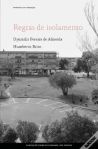
Já li três romances desta autora mas este livro é um diário no qual ela fala do seu confinamento em casa e dos seus pensamentos e leituras durante a época mais escura da nossa história recente. Gostei menos deste do que da sua ficção (principalmente “A Visão das Plantas” que foi um dos meus livros favoritos do ano 2023) e, com o conjunto de fotos aborrecidas tiradas pelo conjuge dela, a preto e branco, senti-me ligeiramente deprimido quando virei a última página.
Para ser justo, não estou no melhor estado do espírito, atualmente, para digerir ensaios sobre assuntos pesados, e talvez o tenha julgado mais severamente do que era preciso, mas sinto o que sinto, e não gostei deste livro como dos outros…
Lazy Post, reviewing an audiobook I finished recently, about the Lisbon Earthquake.
As the name suggests, the book is organised around the event that literally shook Lisbon and figuratively shook its empire in the middle of the eighteenth century. The day itself is described well, albeit undramatically, and the Marquês de Pombal’s life and legacy gets laid out, including the grizzly bits. Smashing people’s arms and legs with hammers, burning them alive. Oh, and rebuilding the city in line with modern techniques. He’s… Well, to borrow another term from the young folk, “morally grey”.
Anyway, so far so good, but it could have been more focused. I guess his thinking was that a lot of readers wouldn’t know the background so he gives us a tour of the main points of Portuguese history but he doesn’t section it off, he just sort of rambles back in the middle of the book. Maybe the general history stuff would have been better as an optional preamble to the main book. That way, he could have really drilled down both in the horror and chaos of the day itself and on the technical details of how they recovered. I want details, dammit!
My favourite aspect was his summary of how the different groups explained the event. We sometimes think our age is uniquely divided and that the two sides in our political disputes operate with different worldviews and different sets of facts, but in 1755 we have catholics fulminating about how God sent the earthquake for allowing the protestant heretics into Portugal and meanwhile in England, at memorials services for lost Port wine merchants, the vicars are telling their flocks it’s no wonder Portugal was ruined when it is full of dreadful popish idolatry.
Some things never change.
The audiobook reader gets a solid 8/10 for trying with the pronunciation. He obviously doesn’t speak portuguese, but he’s put the effort in to learn the ground rules of portuguese pronunciation and it shows. Instead of just saying all the names like they were Mexican drug lords in Breaking Bad, he pushes in the right direction. He gets a lot wrong, but he’s tried and I appreciate that.
This will probably come in handy again one day so might as well make a note of it…. how to describe oldest and youngest siblings
Filho primogénito – the oldest son
Irmão do meio – the middle brother
Irmão mais novo – the youngest brother
O benjamim is the youngest but can also mean the favourite son, or the favourite in a group, apparently. Ugh! Why would the youngest be your favourite? The first born is clearly the best. Oh and caçula just means youngest, not favourite.
Catching up on some corrections from previous lessons. I have used the word “implicar” as a substitute for “imply” and although that meaning does exist (it’s definition 5 in Priberam), it’s more usually a much more aggressive word, meaning impede, cause something to happen or just generally stir things up. Used reflexively it means to feel confused. Insinuar seems to be the better choice if you want to say something like “I don’t mean to imply…” which is what I was trying to say.
Here’s a sneak preview of my guest host for the blog I’m writing for release in a couple of days. He doesn’t usually get consulted much, for obvious reasons, but there was a mystery to solve…
Say what you like, this was Simon Farbnaby’s finest hour!
This little exercise is an answer to a question about euphemisms for death in english. None of the translations of english expressions really exist in portuguese. I think I’ll be doing one about actual portuguese expressions around death in a couple of days though. There are loads to choose from!
Sim, existem certos eufemismos ingleses para abrandar o choque de falar sobre a morte de alguém. Além de termos o nosso equivalente da palavra “falecido” (“deceased”), é muito comum falar de um familiar como “no longer with us” (já não está connosco) ou ter “passed away” (foi-se embora). Isto acontece principalmente quando falamos com pessoas que perderam recentemente alguém. Acho que usamos este abrandamento para não magoar alguém por lhe lembrar abruptamente a sua perda. Também temos as nossas expressões coloquiais, muitas das quais são parecidas com as vossas. Por exemplo, nós também vamos desta para melhor (os religiosos dizem “com Jesus”). Não batemos botas nenhumas, mas pontapeamos baldes*? Sim senhora! E também compramos quintas**, mordemos o pó***, rebentamos os nossos… hum… (folheio o dicionário) tamancos****, vestimos sobretudos de madeira***** e empurramos os malmequeres para cima******. Até certo ponto, esta capacidade de rir com a morte é encorajadora. Desrespeitando o ceifador por falar nele assim, ficamos cada vez mais capazes de pensarmos no inevitável fim das nossas próprias vidas sem ficarmos deprimidos.





 Luso
Luso 