I enjoyed this. In case it’s not obvious, the subtitle writer has translated “illegal alien” as “Illegal space-alien”

I enjoyed this. In case it’s not obvious, the subtitle writer has translated “illegal alien” as “Illegal space-alien”

Estou a ouvir um audiolivro, Walking Europe’s Edge, Reflections on Portugal de Stephen Powell. É muito fixe mas acaba de fazer uma afirmação que eu acho um pouco hum… fixy*. Segundo o autor, a palavra “fixe” tem origem em inglês. Turistas e outros visitantes que não falavam português costumavam comunicar-se em inglês com gestos. Se gostassem de um prato de peixe, colocavam um polegar para cima e diziam “Fish!” para dar a entender que o peixe (em inglês, “fish”) estava bem. Os empregados e clientes dos restaurantes adotaram esta nova palavra, com grafia alterada para “fixe”, e assim nasceu uma nova expressão, significando “bom” ou “porreiro”.
Mas acho isto muito duvidoso portanto fiz uma pesquisa. Um utilizador do site Quora aponta dois exemplos do uso da palavra nos anos 20 e 40 do século passado e analisa a pronúncia do x naquela altura, mas a sua conclusão é que a palavra fixe é uma forma de fixo, ou seja sólido, firme.
* Não entres em pânico, isto não é nada mais do que um trocadilho
It’s a good book, by the way, in spite of this weirdness. He talks about Portugal’s culture and history in an accessible way without centring himself like some travel writers do. It’s quite recent and, being british, he gets into the weird, dysfunctional relationship between Britain and Portugal: our enduring friendship and alliance, punctuated by power imbalances, imperial rivalries, betrayals and (this was a new one on me) library theft. I’d definitely recommend it if you’re interested in knowing more about Portugal’s history but don’t necessarily want to read a whole history book.
(I stuck an NSFW tag in the title of this one because I know some people subscribe via email and purely by chance I have accidentally created something that would cause a stir at an art gallery in Hay on Wye. If you opened it anyway and your boss is looking over your shoulder, think twice before scrolling down)
Após o blogue “tamanhatona”, decidi mexer com o gerador de arte IA para ver a sua reação. Digitei frases aleatórias na sua caixa de instruções e eis os resultados. Interpretou o “tamanha” como o nome de uma mulher, portanto o meu primeiro “prompt” foi….
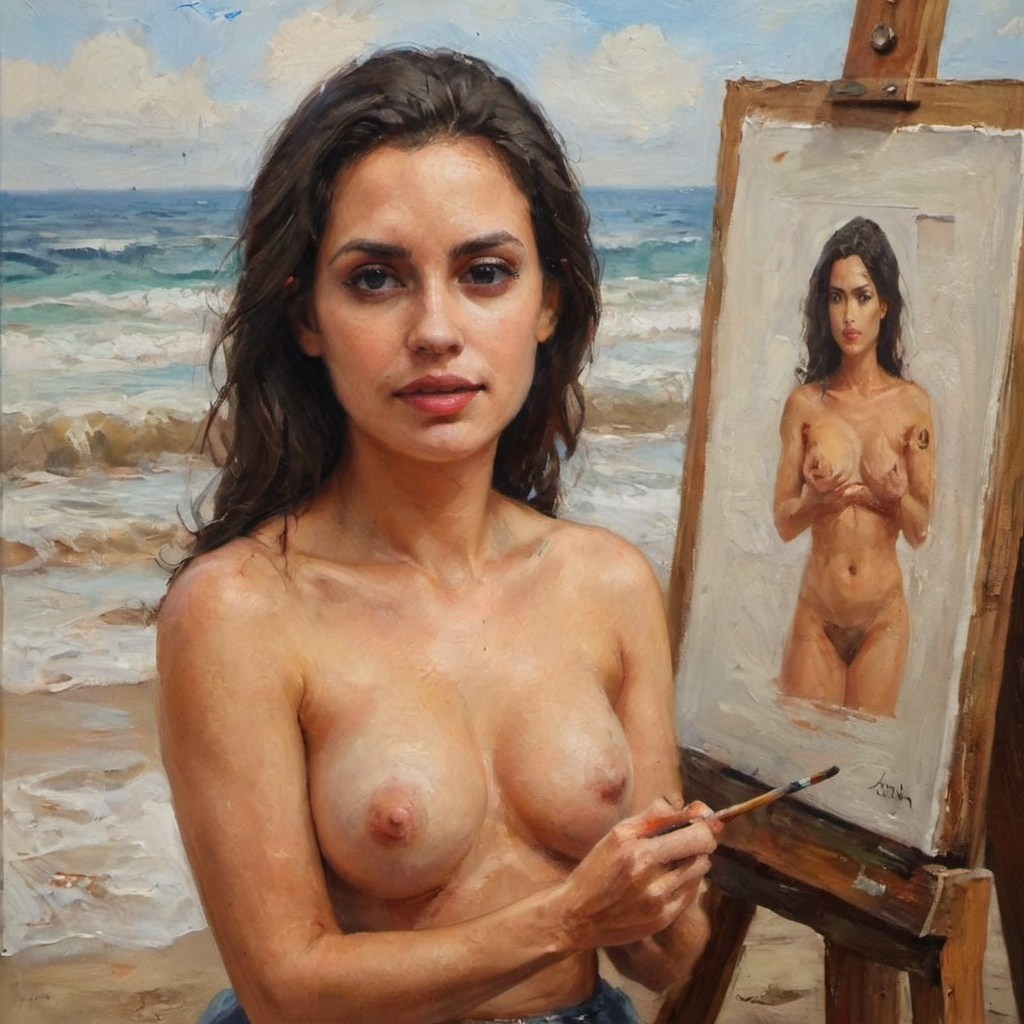
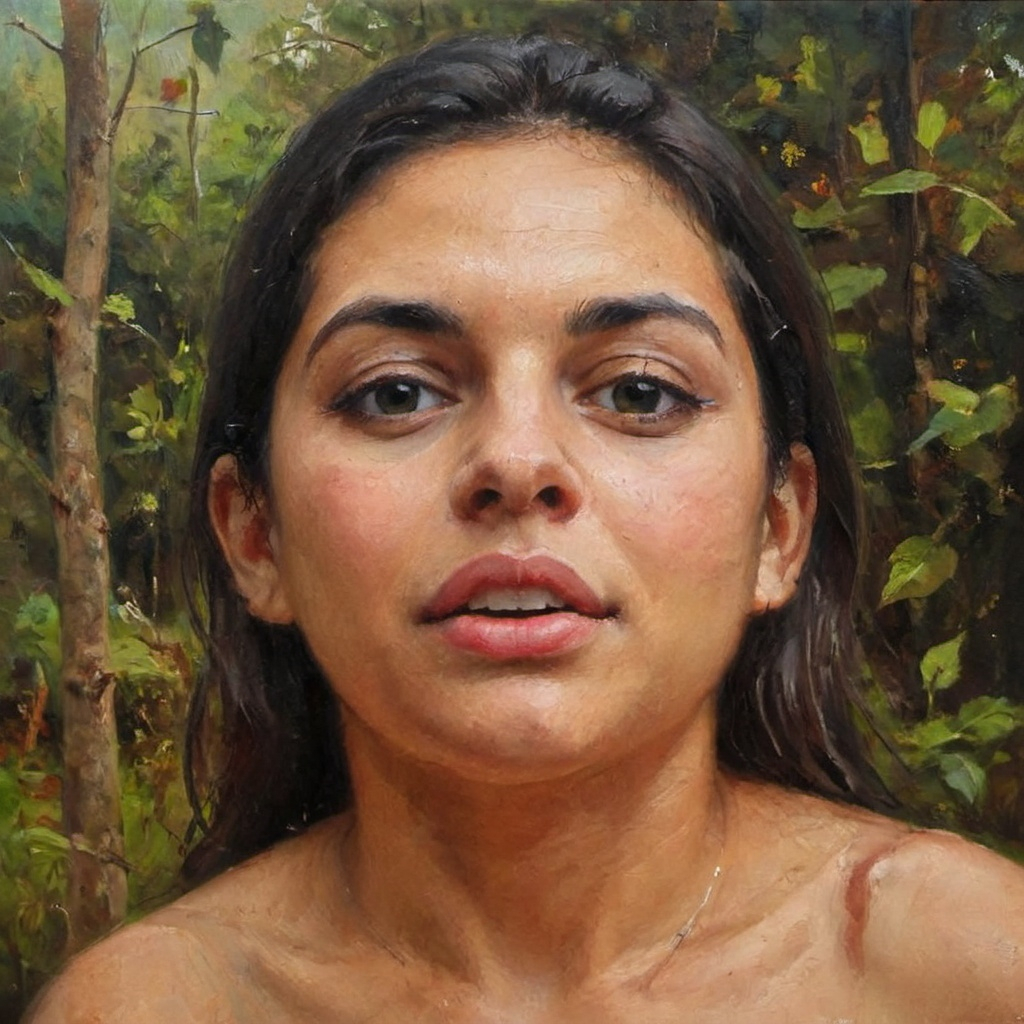


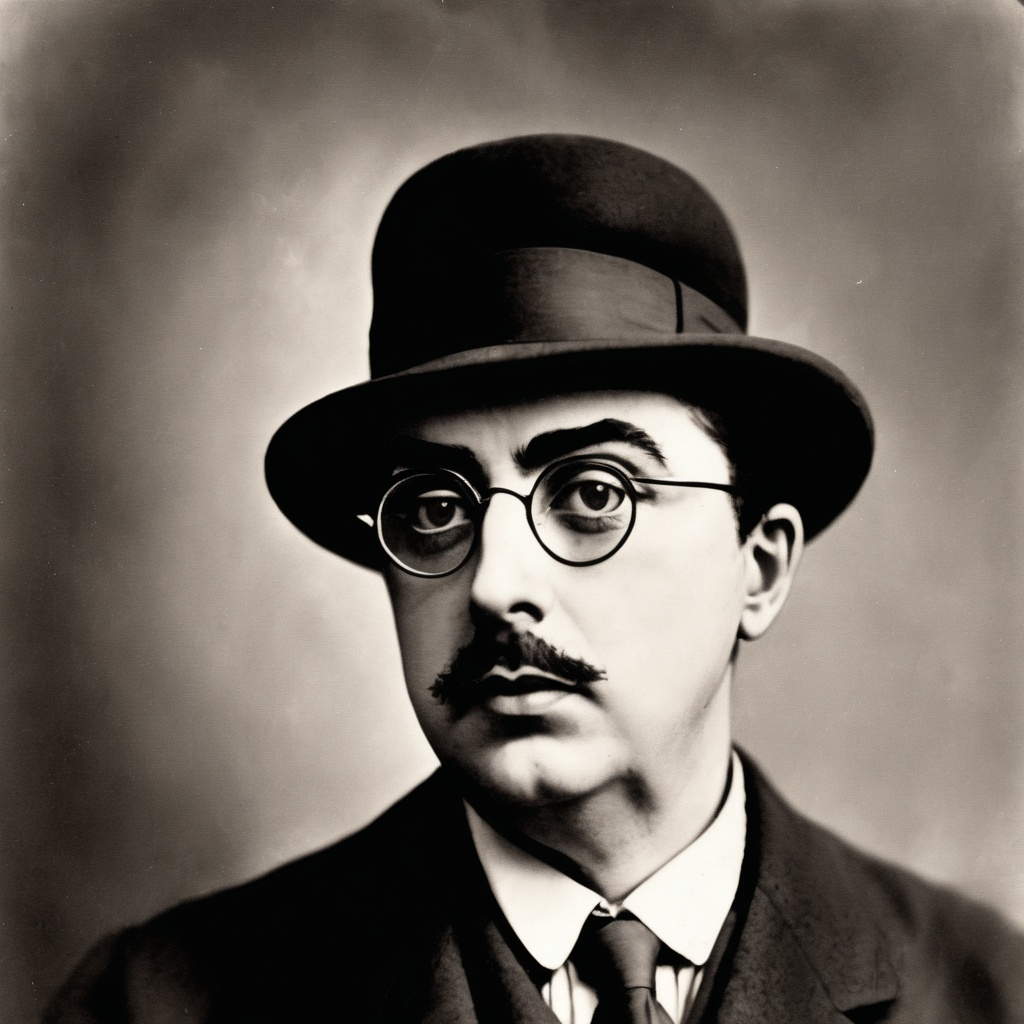
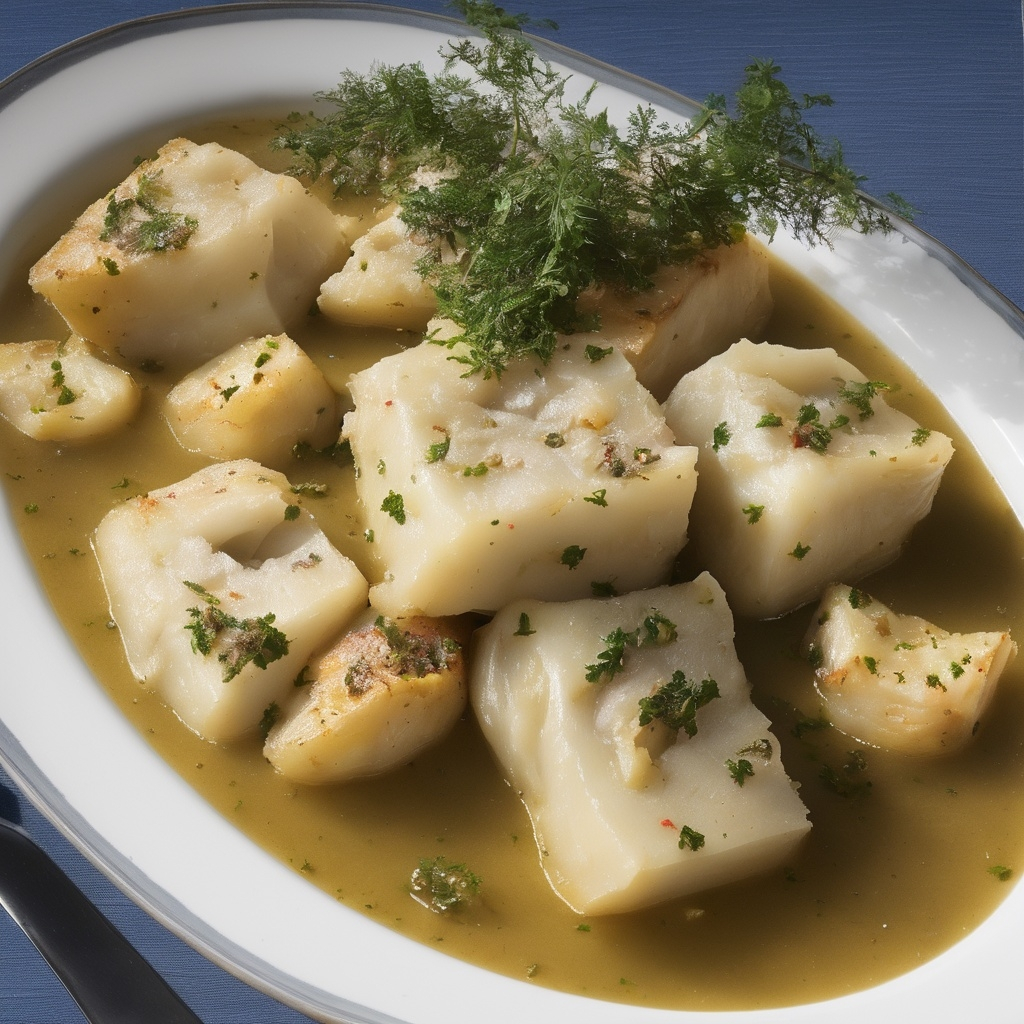
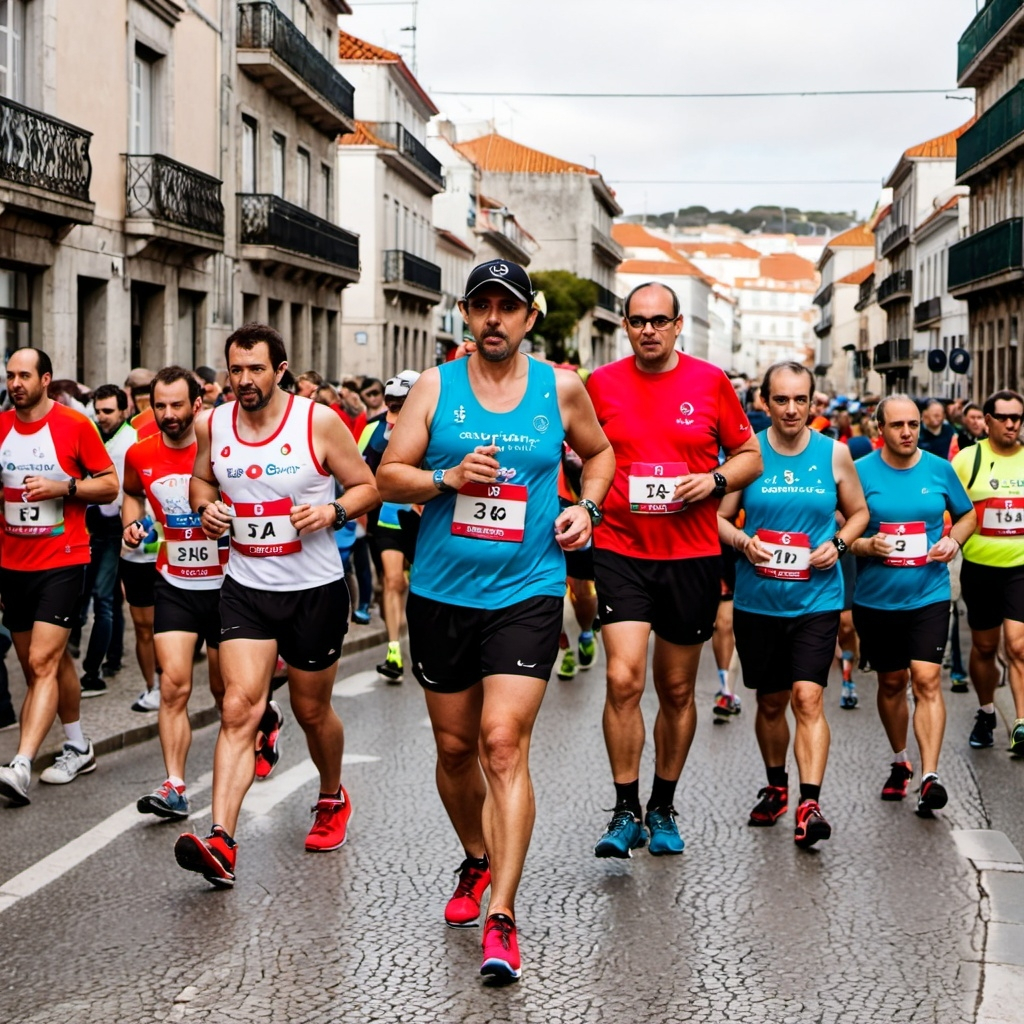

*I just stole this text of the Internet to recycle as a prompt, and this should say “da” in European portuguese but the site I stole it from must have been Brazilian
OK, here we go, spamming the world with “tamanha/o” at every opportunity. It’s such a funny word though.
Passei o dia a planear a minha estadia em Portugal. Não consigo enfrentar tamanha façanha sem saber o que vai acontecer, e uma viagem também dá trabalho tamanho que vale a pena dedicar algum tempo aos planos. Fiz uma reserva de alojamento para a primeira noite. Mas tenho um segredo: não estarei num hotel mas sim num barco ancorado no rio Tejo, que fica perto do lugar onde vão distribuir os dorsais e os kits de participação. Os organizadores alugaram a Sala Tejo do Meo Arena durante 3 dias para lidar com uma tamanha multidão.
Depois, fiquei preocupado pelo transtorno de chegar ao ponto de partida a horas (40 minutos de comboio antes das 7 da manhã? Ai Jesus!) e ao pensar nas várias opções, decidi passar a noite anterior em Cascais, perto do início da Maratona, e ficar lá durante o dia seguinte (porque não quero levar as malas comigo quando corro). Na segunda-feira, terei tamanhas dores de pernas que não conseguirei andar. Vou fazer alongamentos, beber água e comer hidratos de carbono durante o dia inteiro e, com sorte, estarei em condições para ir de autocarro a Sintra na terça para ver o Poço Iniciático. Nunca antes vi um buraco daquele tamanho (tirando o buraco na minha compreensão das preposições portuguesas).
Comprei umas sapatilhas novas para a maratona, mas caminhei nelas durante algum tempo para amaciar o material porque ninguém quer umas bolhas tamanhas nos últimos dez quilómetros. Os meus calções têm bolsos secretos na faixa interior onde posso salvaguardar o meu telemóvel*, duzentos tubos de Gu e um curativo para conter as secreções produzidas pelos ferimentos nos meus mamilos. Eh pá a vida de um corredor é tão encantadora!

*My browser assures me that it is using PT-PT, not PT-BR but it underlined this word and thinks I should change it to “telenovela”. Give me strength!
Coloquei esta ligação na pasta de rascunhos em 2022 mas olhe, cá estamos em Setembro de 2024* – mês a qual a atualidade se refere. Se não me esforçar por escrever alguma coisa, o blogue atrasar-se-á ainda mais e eu farei figura de urso.
Segundo uma notícia do site Sapo, a proposta entraria em vigor em Setembro de 2024 (e entrou mesmo? Confesso que não sei). Anteriormente, havia quatro cursos de matemática, um por cada uma das disciplinas académicas: artes, ciências, humanidades e cursos profissionais, mas muitos estudantes odeiam a matemática, ou pelo menos fazem pouco dela. Quando a aula começa, fazem biquinho e até fazem frente ao assunto. Uma experiência negativa neste assunto, acima de tudo é capaz de lhes fazer a vida negra.
As propostas têm como objetivo uma melhor taxa de sucesso neste assunto e também mais foco em áreas práticas da vida tal como salários, descontos e estatísticas. Ou seja, os aspectos mais fáceis. Não sei se fizeram escola (prometo que este trocadilho não é de propósito!) mas acho que há perigo de perder algo nos níveis mais altos da competência matemática, ou seja que os mais capazes perderão o desafio que eles precisam para serem excelentes no seu campo. Talvez os membros façam vista grossa aos defeitos do plano, mas por outro lado, talvez esteja tudo tranquilo agora e os defeitos tenham ficado resolvidos. Ou pelo terceiro lado, talvez não acabassem por ser aceites e o plano inteiro foi por água abaixo.
Estou a fazer uma tempestade num copo de água? (faço figas)
* The last 3 hours!!!
Escrevi este texto em inglês porque estou a ficar preguiçoso mas isso não chega, portanto aqui vou eu novamente em português.
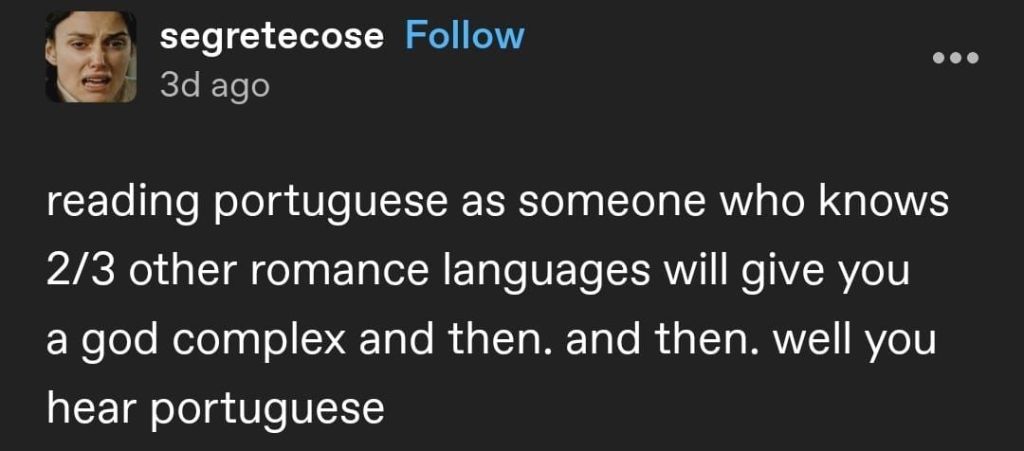
“Tamanho” É uma palavra daquelas que surge de vez em quando nas minhas leituras e sempre entendo o significado mas não consigo usar nos meus textos com confiança. Tentei várias vezes no reddit na era de r/writestreakpt. De certa maneira é fácil. Aprendemos a palavra “tamanho” quando aprendemos o vocabulário para ir ás compras, não é? O tamanho de uma camisa refere-se à grandeza dela. És alto? Gordo? Então, talvez precises de uma camisa do tamanho XL.
Mas tamanho também tem uma vida secreta*. É um substantivo de dia mas de noite assume a identidade de adjetivo e aparece em canções tipo Fado Português e em diálogos como o da imagem infra:

É óbvio nesta situação que a palavra significa “tão grande” ou “tão notável” ou algo do género. Mas tentei experimentar este tipo de frase no Reddit e falhei. Não me lembro como. Talvez tenha feito um errozinho de tradução literal de inglês, e usei num contexto que não faz sentido em português. Às vezes usamos grandeza figurativamente para descrever a intensidade de um som, ou a duração temporal, e pode ser que tenha usado assim, mas sem encontrar o(s) texto(s) em questão, não faço ideia.
*Tempting to think that because segredo means a secret (noun) it will also mean secret (adjective) but no, the noun is secreto/a. i wrote segreda here and it passed spellcheck but only because segreda is part of the verb segredar (which, pleasingly, means to tell a secret or whisper something in someone’s ear.)
Speedy note-taking on what seems like a sort of Portuguese equivalent of the Stephen Lawrence case. I think this guy has a series on the radio where he talks about the lives of people of note who have now died. I think the segment is quite light-hearted so in a way it was a brave choice to take on something so recent and so raw.
(Edit: rapid note taking = more errors than usual. Thanks as ever to Cristina for correcting)
1995 – morreu com 27 anos
Tinha imigrado de Mindelo em Cabo Verde em 1991, a família moraram em moravam no Barreiro. Bom filho, bom amigo, divertido. Foi cozinheiro na tropa e dançava.
No dia de Portugal (dia 10 de Junho) foi jantar com amigos no bBairro aAlto mas havia um grupo de racistas a jantar por perto.
O Hugo lembra-se de ver tais pessoas na mesma zona naquela altura.
Os racistas espancaram várias pessoas mas o Alcindo era o mais ferido de todos e foi para o hospital. Entrou numa em coma e faleceu duas dois dias depois no dia 12.
Uns membros do grupo de racistas foram presos e processados: dois absolvidos e os outro receberam penas leves.
A morte destae rapaz é divisória e há quem desprezem a memória do jovem, sobretudo (como podemos adivinhar) os neo-nazistas!
Hm… still writing in complete sentences aren’t I. I need to focus more on content and less on form for this stuff because I miss details while I’m writing
This is the song Mariza sang as an encore at the concert. It’s more motivational-poetry-ish than I’m really comfortable with, but that’s OK, each to their own, and a lot of people really seem to like it. There are a few versions on youtube but I think I like this live, acoustic version better than the official video (which is definitely trying too hard imho)
| Hoje a semente que dorme na terra E que se esconde no escuro que encerra Amanhã nascerá uma flor Ainda que a esperança da luz seja escassa A chuva que molha e passa Vai trazer numa luta amor | Today the seed that sleeps in the earth And that hides in the enclosing darkness Tomorrow a flower will be born Even though the hope of light is scarce The rain that wets and moves on Is going to fight to bring love |
| Também eu estou à espera da luz Deixou-me aqui onde a sombra seduz Também eu estou à espera de mim Algo me diz que a tormenta passará | I’m waiting for light too He left me here where the shade seduces I’m waiting for myself too Something tells me the torment will pass |
| É preciso perder para depois se ganhar E mesmo sem ver, acreditar É a vida que segue e não espera pela gente Cada passo que demos em frente Caminhando sem medo de errar Creio que a noite sempre se tornará dia E o brilho que o sol irradia Há-de sempre me iluminar | You have to lose so you can win And even without seeing it, believe it It’s life that goes on and doesn’t wait for people Every step forward that we take Walking without fear of going wrong I believe the night always becomes day And the light the sun gives out Will surely always shine on me |
| Quebro as algemas neste meu lamento Se renasço a cada momento Meu destino na vida é maior | I’m breaking the handcuffs in this my lament Of rebirth in every moment My destiny in life is greater |
| Também eu vou em busca da luz Saio daqui onde a sombra seduz Também eu estou à espera de mim Algo me diz que a tormenta passará | I too am in search of the light I’m getting out of here where the shade seduces I’m waiting for myself too Something tells me the torment will pass |
| É preciso perder para depois se ganhar E mesmo sem ver, acreditar É a vida que segue e não espera pela gente Cada passo que demos em frente Caminhando sem medo de errar E creio que a noite sempre se tornará dia E o brilho que o sol irradia Há-de sempre nos iluminar | You have to lose so you can win And even without seeing it, believe it It’s life that goes on and doesn’t wait for people Every step forward that we take Walking without fear of going wrong I believe the night always becomes day And the light the sun gives out Will surely always shine on me |
| Sei que o melhor de mim está pra chegar Sei que o melhor de mim está por chegar Sei que o melhor de mim está pra chegar | I know the best of me is yet to come I know the best of me is yet to come I know the best of me is yet to come |
I keep learning new words from Quina. They are mostly useless, obscure words, but I was interested that there’s a feminine form of Touro because I always thought Touro was the masculine form of Vaca. Maybe that’s a hangover from English though, where the feminine is the default because you learn cow first, as a child, and only later find out that there’s a daddy cow called a bull, who is always in a bad mood, and that people in other countries like to wave red capes at him for reasons that are difficult to fathom.

Anyway Toura (or “toira”, because it’s one of those words that can be spelled with an ou or an oi) refers to a young or sterile cow. It can also be an irascible woman (informally – and I’ve no idea how someone would react if you called them that so would not recommend) or a handled cooking pot (tacho) but only in some regions.
So if there’s a feminine form of Touro, is there a masculine form of Vaca? No, no there is not, not even in 2024, but as soon as the Americans find out about this they’ll have an entire academic department writing papers about it, I’ve no doubt.

