Pensando numa história pessoal, e como conta-lá a uma outra pessoa, encontrei uma situação na qual queria dizer “fast forward” mas como não sabia, perguntei à gente boa do Reddit:
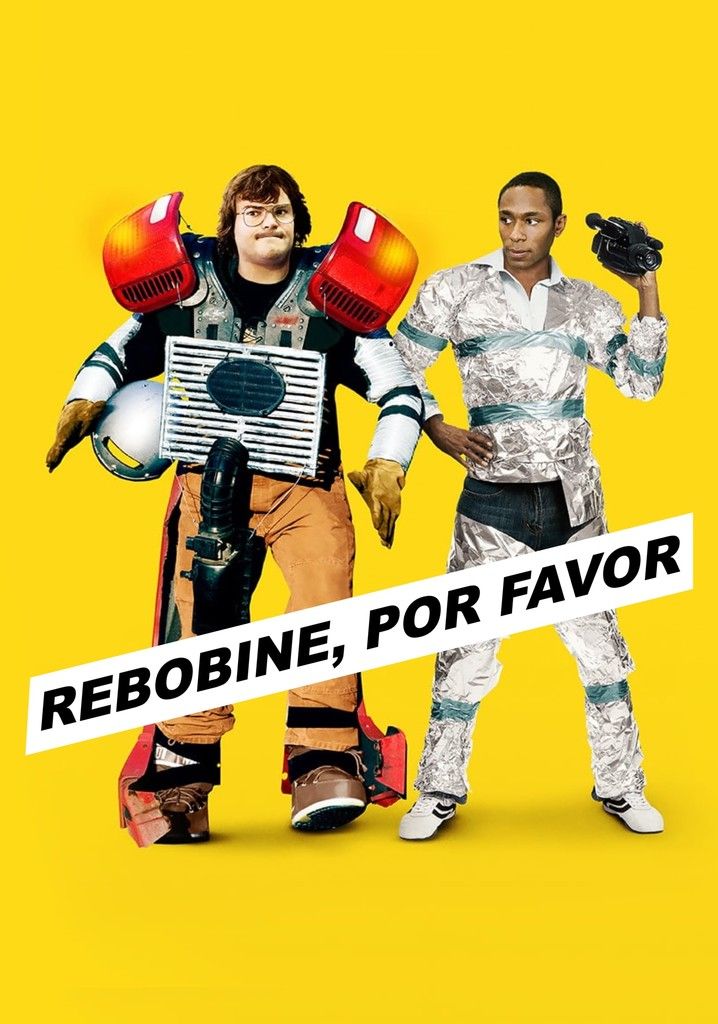
Se não me engano, “rebobinar” é a ação de quem acaba de ver um filme numa cassete de VCR não é? É tipo “voltar ao início do filme, transferindo a película para a outra bobina”, certo?
Mas qual é o oposto? Estou a ver o filme “Star Wars” mas quero ver a cena no qual Obi Wan Kenobi enfrenta Darth Vader agora, sem esperar uma hora e tal. Tenho de fazer o quê?
E mais uma coisa: estes termos ainda se usam em 2025? Se estou a ver o filme no Netflix, termos como “rebobinar” ainda fazem sentido na época* pós-película?
Segundo as respostas, basicamente a palavra “rebobinar” é pouco usada nos dias que correm pelas razões que a minha questão antecipou. É mais comum dizer “pôr para a frente” ou “pôr para trás” pode-se substituir “passar”** no lugar de “pôr”, e também existe “fazer forward” (buuuu! Anglicismo!) e “avançar no tempo”
*I am ashamed to say I wrote “idade”, as if the word “age” in “the post-tape age” were the same word as in “act your age”. Luckily I spotted it before it got marked.
I also heard pular – which is like “skip ahead”. Someone else suggested “meter” but Cristina was skeptical so I’d say probably avoid that one.
I asked a question in reddit about the word “deliver”, specifically in the context of birth, and although the answer was pretty simple, it opened up a rabbit-hole that went pretty deep!
In English we use deliver to mean two different things, but you wouldn’t use the standard verb to deliver (“entregar”) for either of them. Firstly, deliver is what the mother does. Well that’s easy. We have a choice of verbs – parir, or the beautiful “dar à luz”. And secondly, we also use deliver to describe what the medical professional does, whether it be the doctor (médico of course) or the midwife (parteira). And this is the bit I realised I was stuck on: how do you say “the doctor delivered a baby.
A few people misunderstood the question and said it should be parir. O médico pariu? Um… No.
But the root of the problem of course is that there just isn’t a verb for it. It’s just a weirdness of English that we use the same verb for both. Instead, you’d have to use “assistir ao parto” or “realizar o parto”, relegating the doctor to more of an ancillary role, rather than letting him or her take all the glory from the mother by claiming to have “delivered” the baby. Well, that seems like a good thing to me.
And of course, just to complete the picture, Portuguese give a more active role to the baby. Babies don’t passively get born (ser nascido???) the verb is “nascer”, actively, as if it was something they did by themselves.
But there’s more! And I’ll tell you about it after this gif.
Come to think of it, theres a third use of “deliver” for babies isn’t there… Oh never mind!
Firstly, “assistir ao parto” seems to be a relatively rare use of the verb “assistir” in a way that’s more familiar to English-speakers, since the doctor is assisting/helping, rather than just spectating, which is usually what assistir means in Portuguese (see here if you don’t know what I’m on about)
Secondly, the word “prenha” came up, meaning pregnant. I’d seen the verb “emprenhar” (impregnate) recently and wondered how prenha/emprenhar differed from grávida/engravidar. Prenha and emprenhar tend to be used more with animals. So if you’re a stock breeder, emprenhar is the verb for a cow becoming prenha, but I think your wife would not thank you for using those same words to announce that she is expecting.
While researching prenha in Priberam, I spotted a couple more interesting differences.
Firstly, let’s talk about the gender of the adjectives. Grávida exists in a masculine form, grávido, which is actually the default form of the adjective, however stupid that might be. Prenha, on the other hand doesn’t have a masculine form, prenho, but there is a synonym, prenhe, which ends in e and, as such, it wouldn’t change even if, by some miracle, a bull could get knocked up.
Secondly, there’s a difference in how the verbs are used: Emprenhar is defined as “Tornar ou ficar prenhe” (here) In other words, it means “get pregnant”, and applies only to what happens to the female. Engravidar, on the other hand, can mean both “tornar-se grávida” (get pregnant) or “Fazer ficar grávida” (impregnate) so it can be applied to the dad role just as easily as the mum role (here) .
That’s an awful lot of useful stuff from just one little question, don’t you think?
Essa intenção de escrever atualizações diárias foi por água abaixo, não é? Escrevi – ou pelo menos comecei – vários textos mas não acabei por publicar. Ora bem, não é o fim do mundo. Talvez apareçam em breve.
O meu pai era um filatelista, ou seja um colecionador de selos. Também colecionava outras coisas como moedas e baralhos de cartas, mas a sua primeira obsessão era os selos. Eu também fui mordido pelo bicho de filatelia quando era novo mas acabei por desistir.
A coleção do meu pai é grande mas bastante desorganizada. Ou melhor, partes da coleção entraram em caos. Existem álbuns bem arrumados, mas também deixou uma caixa de selos soltos, incluindo selos da época Victoriana e de todas as monarcas seguintes. Agora que estamos a esvaziar a casa, estamos a planear vender a coleção. Há uma feira de selos em Preston em Fevereiro, onde estará um homem que o meu pai conhecia. Entretanto, estou aqui a agrupar os selos para facilitar a estimativa* do valor. Já levo 3 noites mas a tarefa ainda não está terminada.
*I almost wrote “estimação” which wouldn’t be 100% wrong but since it’s mainly used in the phrase “animal de estimação” it obviously has a slightly different feel in Portuguese than our “estimation”.
My last exam result came out in early January last year, so I have been constantly checking and re-checking the page to see if the DUPLE results are out. I leave it open in my browser and then refresh it next time I have a spare minute.
Fiquei triste quando soube que encerrou definitivamente a livraria Latina, uma das livrarias mais bonitas que já visitei. É a loja onde comprei um novo exemplar do “As Minhas Aventuras Na República Portuguesa”, tendo perdido o meu no avião, a caminho de Portugal. Não é tão famosa como a Lello mas isso é uma vantagem como toda a gente na fila de espera já sabe*!
Culatra means the part of the gun where you’d usually load the ammunition. So if it’s saindo pela culatra it’s… Backfiring! Their idea has backfired. I like that.
Costumo de escrever opiniões nos livros portugueses que leio. Ouvi este Audiolivro enquanto embrulhava as prendas de natal sob influência do Baileys, portanto a minha memória está embaciada e a minha opinião não é confiável… Peço desculpa. Talvez no próximo Dezembro eu volte a ouvir, sem álcool. Os contos individuais são disponíveis na loja Kobo mas provavelmente não te apetece lê-lo em Janeiro!







.jpg)