Posted in English

Birds and Bad Words (Pássaros e Palavrões)

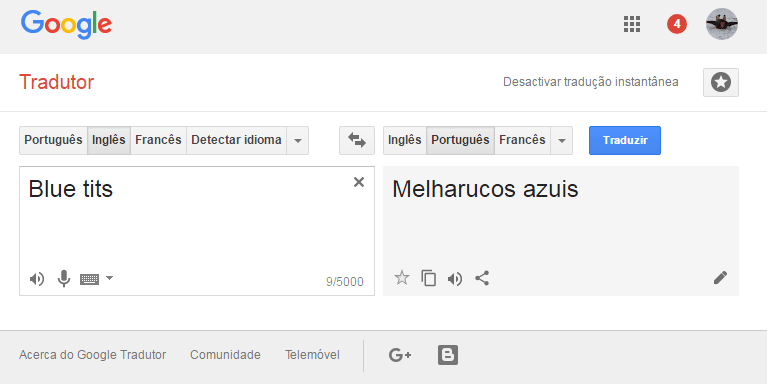
Today I had a lesson with a Portuguese teacher via Skype. She follows me on Instagram so she asked me about a picture I’d posted of some birds that have made a home in a nesting box on our allotment. So I described them, but I hit a problem fairly early on: I don’t know the names of many birds. Let’s see… umm… corvo (crow), pomba (pigeon), farm birds like Ganso, Pato, Galinha, Peru, um… what else? Ostrich, I think is avestruz, eagle is… águia (I needed spellcheck’s help even on that one), owl is coruja (I only know this from reading Harry Potter e a Pedra Filosofal), and melro-preto I know from a song is a blackbird. That’s about it. Sadly, the nesting birds were not blackbirds, nor owls, much less ostriches, so that put paid to that. So I went to my old friend google translate to find out how to say “blue tits”. If you’re british you know blue tits and great tits are real birds whose place in the comedy double-entendre pantheon of our island nation is inestimable. But the reason the liked of Benny Hill have been able to exploit their comic potential is that “tit” also means something else.

Here’s what I got:
bt_one

I was none the wiser. Should I just blurt it out and hope she didn’t burst out laughing? I blurted, while simultaneously plugging the words back into google search and was reassured to see lots of images of actual feathery blue tits.  This is one of those times when the choice of tools matters though because if I’d used Bing Translate I would have got this…

bt_two

…which actually does mean blue breasts (bit not the cruder “tetas” which is more of a direct equivalent for “tits”).

Bird names are a minefield, actually. There’s a bird called a shag and another called a booby. It’s almost as if, when Adam named all the animals, he started getting bored by the time he reached the birds and decided to see what he could get away with.

So what’s the message? Something about not letting Bill Gates teach you how to speak a language, I think.
 

Posted in English

Portuguese With Carla #newPodcastKlaxon

I came across a new European Portuguese podcast today. Clipboard01Well, truth be told, it has been around since 2014 but it took a huge break for a couple of years and has just rematerialised on iTunes. It’s called Portuguese With Carla. It seems pretty easy, suitable for beginners, so if you’re at the A1/A2 level you should definitely give it a look. I don’t know that I am going to follow it because I think I’m past the point at which it can help me but I’ll try some of the later episodes first though, to see if it’s a bit more challenging. I could use a new podcast now that Say it in Portuguese has introduced a brazilian co-host (boooo!) and Practise Portuguese has slowed its output while the boys build their infrastructure and their business.
Posted in Portuguese

O Quarto

17437587_1943281639222574_7186564413262921728_n

A minha filha, a minha bebé, a minha abóborinha, já não está tão pequenina. Hoje em dia, prefere um CD de música rock em vez de se vestir como princesa.

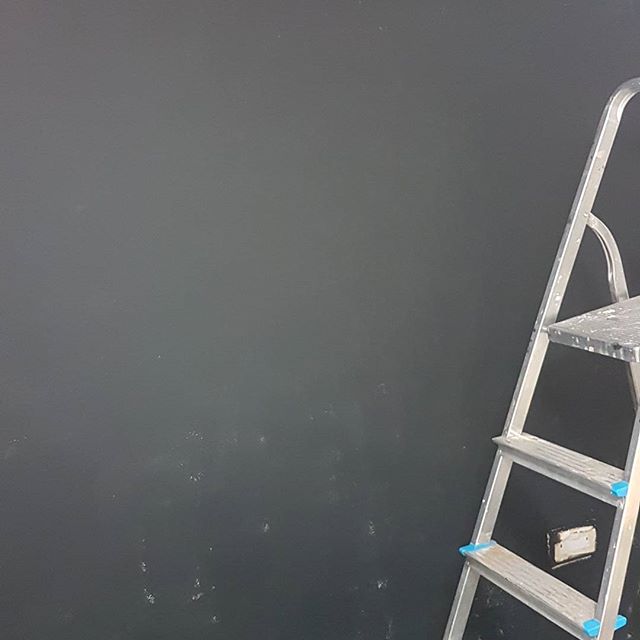
Recentemente, pediu algumas vezes se podia renovar a decoração do seu quarto. Ora bem, vivemos aqui desde 2005 (dois mil e cinco) mas ainda não redecoramos. Por isso, consenti. Durante as férias da Páscoa, estamos a pintar as paredes, o tecto e a porta. Na segunda feira, passámos o dia inteiro a esvaziar o quarto. Levámos os livros, deitamos fora o lixo (3 sacos grandes!) e passámos a cama até ao centro do chão. Ontem, aplicamos uma camada de tinta. Hoje, não podemos fazer nada, mas amanhã, hemos de pintar a segunda camada. Depois, vamos pintar a porta e a madeira.

A madeira vai estar escarlate, uma parede preta e o resto amarelo claro. Finalmente, o quarto vai se encher novamente com móveis e as paredes com fotografias de rapazes bonitos com guitarras eléctricas e penteados fascinantes. O meu cargo, como pai já será cumprido.


Thanks Sophia and Giovanna for help with the corrections

Posted in Portuguese

O Dia B

This texto has been on iTalki for a while now, which is why it’s not as topical as it once was!

Para nós ingleses que votámos contra o Brexit, a semana passada foi triste. Afinal, a primeira ministra, Theresa May mandou uma carta ao Presidente do Conselho europeu, para iníciar o que consta no artigo 50 do Tratado de Lisboa e começou o processo de saída da UE. Sem adiar, um líder outrora do partido conservador tentou provocar uma guerra contra os nossos amigos espanhóis. Tanta loucura!

Li uma piada seca numa rede social “Uma grande vantagem de ser gay é isto: Nunca vou ser obrigado a explicar aos meus netos o que aconteceu hoje”.

Infelizmente não sou gay.

Posted in English

May I Be Of Assistance? 

I’ve always thought of the verb Assistir as a straightforward false friend, meaning, as it does, to attend or spectate at an event, and has nothing to do with helping or supporting any way. But today I was reading the book “Trilby” by George Du Maurier, written at the back end of the nineteenth century and I came across this sentence

And, indeed, here was this immense audience, made up of the most cynically critical people in the world, and the most anti-German, assisting with rapt ears and streaming eyes at the imagined spectacle of a simple German damsel, a Mädchen, a Fräulein, just “verlobte”—a future Hausfrau—sitting under a walnut-tree in some suburban garden

That really sounds like a very Portuguese use of the word “assist”. So I looked in my trusty Chambers and it turns out that assist had, in Shakespeare’s day, much the same meaning as its cognate does in Portuguese. What’s more, when I checked the priberam online dictionary I found that Assistir has several senses, including the British one. They give as it’s synonyms Ajudar, Socorrer and Cooperar.

So what we have is a word with two distinct meanings, in the process of diverging, where one sense is dominant in English and the other in Portuguese, but while the lesser sense is still used in Portuguese, the lesser sense in English has all but faded away to nothing.

Posted in English, Portuguese

A Vida Nos Livros

“A Vida No Livros” de José Jorge Letria – Tradução

Nem dez vidas me bastaram, eu sei

Ten lifetimes wouldn’t be enough, I know

para ler os livros que fui arrecadando

to read the books I’ve been collecting

e que me desafiam para que

and that challenge me because

me perca neles como um peregrino

I lose myself in them, like a pilgrim

nas rotas de um mitigado desespero.

on the trails of a muted despair

Sou eu que pertenço aos livros

It’s me that belongs to the books

e não o contrario, já o disse tantas vezes

and not the other way around, I’ve said it many times

pois o que eles vão entesourando

because the treasure they are hiding

é a pequenez do tempo que me resta

is the shortness of the time that remains to me

para os ler e neles me encontrar.

to read them and find myself in them

Os livros falam de vidas e de guerras

The books speak of lives and wars

e eu só falo do que os livros contam,

and I only talk about what the books tell me

esquecido que ando do que vivi

oblivious that I’m wandering from what I lived

e bem podia e devia contar-vos.

and can and should tell you

São os livros que me acenam

It’s the books that move me

apontando-me para os mostradores

pointing me to the faces

dos seus relógios imóveis e opacos,

of their motionless, opaque clocks

assim como quem diz: por mais que vivas,

as if they were saying: no matter how you live,

por mais que faças, tu partirás

no matter what you do, you will depart

e nós, bem ou mal, havemos de ficar,

and we, good or bad, have to stay

porque não nos cansámos de viver

because we never got tired of living

a ficção de que são feitas estas vidas.

the fiction from which these lives are made

Posted in Portuguese

Se Faz Favor

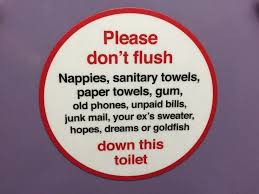
Faça favor de não usar o autoclismo desta sanita para despejar fraldas, pensos higiénicos, lenços de papel, pastilhas elásticas, telemóveis velhos, contas por pagar, correio indesejado, a camisola da sua “ex”, esperanças, sonhos ou peixes dourados.
notebook_image_784722

Posted in Portuguese

A Vista do Comboio

Hoje de manhã estou a viajar mais uma vez para Warrington, uma cidade no Norte de Inglaterra. Tenho sorte de ter bilhetes de primeira classe porque estavam ao mesmo preço dos bilhetes de classe turística. Há um empregado que me faz a pedicure enquanto que escrevo. A sério. Isto é o estilo de vida dos um por cento.

Pela janela vejo o sol a brilhar num céu azul e nítido, algumas árvores, um rebanho de ovelhas e carneiros e uma lagoa. As árvores ainda estão despidas, sem folhas, mas a Primavera já chegou e daqui a uma semana, quem sabe? Talvez estejam verdes novamente. De forme geral, a Primavera em Inglaterra é linda

A minha frente está uma mulher com cinquenta e tal anos a trabalhar com um portátil e a comer uma fatia de torrada com marmaleda (mas a marmaleda inglesa – um espécie de geleia de laranja). Tem cabelo claro e veste um top listrado.

Através do corredor. Há um homem com entradas no cabelo. Usa um cachecol e um fato cinzento e olha pela janela. Entretanto está a ter uma conversa com um telemóvel com auscultadores e microfone.

Até agora está a ser um bom dia. Infelizmente, enquanto que escrevi este texto, fiz uma pausa para usar a casa de banho. Depois, fui empurrar o botão para abrir a porta e… Nada aconteceu! A porta ficou fechada. Enfim, depois de tentar por cinco minutos com cada vez mais força, desisti. Tive que tocar o alarme para chamar um empregado para abri-la. Bolas! Fiquei muito envergonhado.