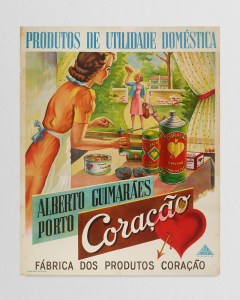
Este texto não é nada profundo mas vi uma imagem com esta lenda interessante. É um exemplo ótimo de uma palavra desconhecida que é muito fácil desvendar pelo contexto: segundo a Wikipedia, Nepeta Catarina, que nós Anglo fomos descrevemos como Catnip em inglês é conhecida pelos nomes “erva-gateira, erva-dos-gatos, gatária ou nêveda-dos-gatos“. O dicionário Priberam recomenda erva dos gatos. A imagem é oriunda de um site brasileiro e pelos vistos não usam lá o artigo definido.
Since I’ve decided to go and see this band, I thought I’d pick a video of theirs and start translating it. The more I did, the more I regretted my choice. I should have chosen Na-Na-Nada or Amanhã ‘Tou Melhor or something a bit livelier. And something with a video that is less baffling than this one. Oh well, everything is a learning experience, and I found a couple of interesting vocabulary nuggets in this one, so here we go…
The song seems to be about getting drunk on Friday night and not remembering much but having your friends tell you what happened. Or… something. You wouldn’t know it from the video. Seriously, what is going on with the video?
Água de Cana, outra etapa da gincana Na demora que eu procuro e que a semana nunca traz Atraso bem o final p’ra madrugada ou meio da tarde Só segunda é que volto a estar capaz
Cane Water*, another stage of the rat-race** In the pause I’m looking for and the week never brings I don’t stop till morning or the middle of the afternoon I only start functioning again on Monday
O que eu prevejo no futuro é tão duro Que a cabeça não hesita em dar abrigo ao temporal Portanto escuta meu querido, sei que és muito meu amigo Mas hoje vou voltar ao Carnaval
What I predict in the future is so hard That my head doesn’t hesitate in sheltering the storm So listen, dear, I know you’re a good friend But today I’m going back to the Carnaval
Por pouco que me lembre do que acontecer Eu sei que vai valer a pena Não é preciso lembrar Tenho amigos com boa memória
As little as I remember about what will happen I know it will be worth it I don’t need to remember I have friends with a good memory
Por pouco que me lembre do que acontecer Eu sei que vai valer a pena Não é preciso lembrar Os meus amigos contam-me a história P’ra depois poder contar
As little as I remember about what will happen I know it will be worth it I don’t need to remember I have friends with a good memory To tell me about it later
Depois da sesta, bater a mão na testa Só é coisa que eu evito se a memória me falhar E por saber que é verdade, perco sempre a humildade Se decido arrastar-me e não parar
After a nap, smack myself in the forehead I only avoid it if my memory fails And by knowing it’s true I always lose my humility if I decide to drag myself along and not to stop
Se houver cortejo é p’ra ter esta fartura Vai depressa que só dura enquanto a culpa não voltar Com sorte a culpa não bate A culpa não vai fazer parte da história Que amanhã me vão contar
If there’s a cortege, it’s to have this excess It goes quickly and only lasts while guilt doesn’t return With luck, the guilt doesn’t strike Guilt won’t play a part in the story That they’ll tell me about tomorrow
Por pouco que me lembre do que acontecer Eu sei que vai valer a pena Não é preciso lembrar Tenho amigos com boa memória
As little as I remember about what will happen I know it will be worth it I don’t need to remember I have friends with a good memory
Por pouco que me lembre do que acontecer Eu sei que vai valer a pena Não é preciso lembrar Os meus amigos contam-me a história P’ra depois poder contar
As little as I remember about what will happen I know it will be worth it I don’t need to remember I have friends with a good memory To tell me about it later
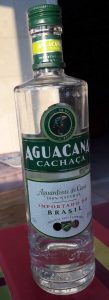
*It’s weirdly difficult to find out what água de cana actually is. Cana usually means sugar cane, but googling it, I mostly get results relating to “caldo de cana”, a non-alcoholic drink made from cane juice, preserving some of the minerals and nutrients, justifying its claim to be a health drink even though it is sugary AF. However, it looks like the real meaning is even less healthy because água-de-cana, with hyphens, is one of the alternative names given on the Wikipedia page for Cachaça – a kind of rum made of sugar cane and used in making the cocktail known as caipirinha. Mmmm, caipirinha…
**This obviously has the same indian origin as the english word “Gymkhana” but while, in english, it tends to be an equestrian event or possibly some kind of motor sport, in portuguese it can be a series of challenges either done as a game or as part of an exam (one reddit user told me “Aqui em Portugal, alguns cursos (como, por exemplo, medicina) têm algumas avaliações em formato de gincana, em que os alunos têm que ir de sala a sala, respondendo a questões orais sobre diferentes temas.“. According to Infopédia, the word has a figurative meaning: “sucessão de peripécias ou imprevistos” so I think he’s talking about the unending flow of stuff we have to deal with every day, and comparing that to a gincana, and so I’ve picked “the rat race” as the closest English translation. It seems to fit with the rest of the lyrics, I think God, two asterisks already and I’m only on the first line. This is going to be a long slog, isn’t it***!
***No, just those two by the look of it. That was nice of them, getting both the footnotable items out of the way early. Thanks, lads.
Já falei destes gigantes da música portuguesa, mas para fechar com chave de ouro esta série sobre música portuguesa em Londres, deixa-me lembrar-te que António Zambujo e Miguel Araújo vêm tocar ao Union Chapel, um dos palcos mais bonitos e pacatos de Londres em Julho. Já vimos o Zambujo no mesmo sítio há alguns anos e o Araújo em… hum… noutro sítio qualquer e gostámos de ambos imensamente, portanto estamos muito entusiasmados com a hipótese de ver os dois juntos este ano.
Em quarto lugar, temos os Capitão Fausto, que vão tocar em Dalston em Maio. O cantor da banda é Tomás Wallenstein, que apareceu naquele vídeo dedicado a Sérgio Godinho. A banda toca música rock e o estilo dela mudou ao longo dos anos (este vídeo foi gravado há mais do que uma década) mas parece-me que os membros têm uma visão criativa que é original e que me chama a atenção apesar de não ser uma banda que adoro cem por cento (a voz do Wallenstein, por exemplo, não é exatamente esmagadora). Em vez de uma sala de concertos, este espetáculo decorre num pub. Acho irresistível a ideia de ver esta banda famosa num lugar tão íntimo.
Tiago Nacarato é um homem interessante. Que eu saiba, não é Brasileiro mas tem parentes de lá. Mas apesar de ser portuense… ora bem, basta ouvir o gajo. Soa-te portuense?
O cantautor* vai tocar em Abril no Jazz Café em conjunto com o violonista** nordestino Cainã Cavalcante no mesmo palco aconchegante onde assistimos ao espetáculo de Carolina Deslandes em 2024 e traz mais 2 tugas consigo: Raquel Martins, a guitarrista inovadora que apareceu com a Carolina Deslandes. e Mimi Froes, cujo nome parece necessitar um til mas realmente se escreve assim. Ela participou na segunda temporada da série “Factor X” mas nem sequer terminou no Top 3. Tem muita influencia do jazz e já colaborou com Rui Veloso. Acho a música dela mais divertida e mais ‘tuguesa do que a do Tiago! Seria mal educado ir vê-la mas sair antes de os artistas principais subirem ao palco?
* The spellcheck on my laptop doesn’t like this word, but it exists in Priberam. I stole it from the RTP profile. It’s obviously a portmanteau of cantor and autor. So, singer-songwriter, basically.
**This word threw me for a loop when I first saw it. Violonista = someone who plays the violão, which looks like it must be some sort of viola or double bass, but it’s not, it’s another name for a guitar – especially in Brazil
Não confio em David Carreira. Tem ar de um ex-membro duma Boy Band. Fui ouvir umas canções dele no Youtube mas não me agarraram. Se te apetecer ouvir este homem, ele irá fazer as suas boybandices no Lighthouse Theatre daqui a duas semanas.
Not sure about putting your own kid in the video either tbh…
Além do humorista sobre o qual falei ontem, 2025 promete ser um ano cheio de música portuguesa aqui em Londres portanto decidi resumir as opções numa sequência de blogues. Hoje, viro-me para Ana Moura, uma das fadistas mais famosas nos dias que correm.
Já assistimos a um concerto dela no Barbican Centre em 2016. Aquele palco tem uma reputação de apresentar artistas muito prestigiados. É um sítio onde se encontra alta cultura e arte. Quando voltar à cidade, no dia 13 de Março, ela cantará no Electric Brixton, um espaço mais conhecido por música urbana. Não estou a criticá-la: aquele palco também é, à sua maneira, bastante prestigiado mas pergunto-me se isto representa um novo posicionamento no mundo musical: a sua apresentação é mais “pop” e mais palatável ao mercado internacional. Vê, por exemplo, a faixa mais recente dela, “Desliza“.
Dito isso, a senhora ainda sabe ser fadista, como podes ver neste vídeo!
I’m generally not a communism appreciator, but I am quite enjoying the fact that A Vida Portuguesa is selling some of its absolutely gorgeous products in New York’s Museum of Modern Art as part of a pop-up store, including “Cola a Revolução“, a collection of stickers including “Eu Sou Comunista, Porque Não Tu?” and “Unir o Povo. esmagar o Fascismo” among others. If you’re in New York, well, first of all, commiserations for your second period of Great Darkness, and secondly, you might be interested in their stuff which is (as I may have mentioned) beautiful, and in checking out the Portuguese Design Symposium at the Pratt Institute.
Vejo-os sempre, ano após ano, e estou fascinado. Especificamente, estou fascinado pelas figuras pagãs, principalmente os “caretos”. De vez em quando, penso a mim mesmo “que tal fazer um blogue sobre isso” mas nunca cheguei a escrever. A única referencia a eles que tenho no blogue é aqui: “ I quite liked this video where she is surrounded by Caretos… wait, why don’t I have any posts about Caretos? I could have sworn I’d written about them a few months back but I can’t find it now. Oh well, add it to the to-do list.”
Mas acredita ou não, ainda está na lista de afazeres!
E ainda bem , porque acho que a minha interpretação teria sido uma caricatura. Felizmente, a grande amiga do blogue, Cristina do podcast Say It In Portuguese, já escreveu um texto que explica tuuuuuuuudo e ontem publicou uma atualização/sequela que explica aaaiiiindaaa maaaiiis do que tuuuuuudo! Vai lá ler o blogue dela e não percas tempo a ler as minhas parvoíces. Mas volta amanhã porque começa uma nova sequência de blogues sobre concertos portugueses em Londres. Combinado. Até amanhã.
TFW You’re so insecure about the terrible pun in your blog title that you have photoshop it to make sure people know what you’re driving at.
(Tendo adiado tanto, acho que a única opção é viajar para portugal e assistir a uma destas festas e escrever sobre a experiência. No próximo ano em Podence???)
O humorista Salvador Martinha vai apresentar o seu espectáculo “Super Young Aura” em Londres em Abril. O comediante tem a honra de ser a maior personalidade portuguesa do canal Netflix. Não só foi estrela do primeiro programa português no canal – “Na Ponta da Língua” – mas também tem um papel na série Rabo de Peixe.
Estou muito entusiasmado por assistir ao espectáculo e espero não estar doente, como estava no dia do espectáculo anterior.
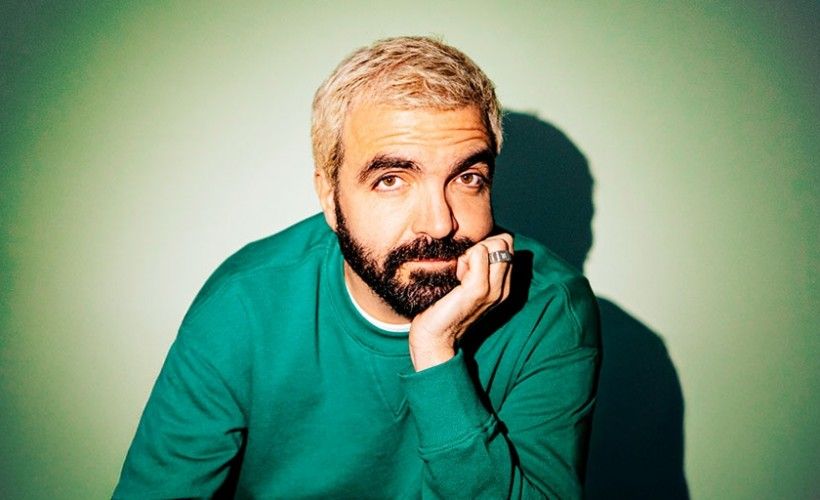
He’s entered the blond hair and dark beard phase of his life, bless him