Posted in Portuguese

Hawktuaguês

Lendo o subreddit r/português esta manhã, encontrei a frase “Cuspido e Escarrado” numa conversa sobre como dizer “they resemble one another” em português. A pessoa que proferiu a sugestão é brasileira mas acho que a frase existe em Portugal também. Já a conheci, mas não tinha pensado de onde vinha. A frase é muito esquisito, não é? Literalmente falando, “cuspido e escarrado” significa “expelido pela boca”, assim….

A cara do Burton, cuspida e escarrada… Literalmente!

… Mas não é ofensiva. Usa-se para descrever alguém que tem uma semelhança muito forte com um outro. Priberam dá um exemplo de um filho: “Ele é a cara do pai cuspida e escarrada”.

Ora bem, nós ingleses temos uma frase muito semelhante: “Spit and image”* (cuspo e imagem) que se usa igualmente “He’s the spit and image of his father”. É uma coincidência incrível que os dois idiomas tenham expressões tão semelhantes não é?

O mistério aprofunda-se ainda mais quando consideramos que “spit and image” é uma corrupção de “spirit and image” (alma e imagem). Ou seja, esta pessoa é muito parecido fisicamente e também tem um modo de estar igual ao da outra. Mas “cuspido” não soa como “alma”, portanto de onde vem esta expressão estranha?

Segundo o Professor Google, a expressão “surgiu do uso indevido da expressão esculpido e encarnado(aqui). Uau. Mas a sério, ua-mesmo-au. Ambas as línguas têm uma locução que nasceu de uma afirmação da semelhança física entre duas pessoas que mudou, ao longo do tempo, para uma expressão idiomática tendo a ver com expulsão de saliva. Isto é uma coincidência linguística que me deixa boquiaberta. E boquivazia**.

*ou, mais recentemente, “spitting image”, na sequência da série televisiva dos anos oitenta daquele nome (and if you’re a fan of that, you might enjoy Contra Informação, the RTP rip-off of the same idea)

** Espero que seja óbvio que isto é um trocadilho. Boquivazia não existe. É invenção minha.

Posted in Portuguese

A Universidade Aberta

Há algum tempo falei sobre os meus objectivos para o ano 2025. Um deles é inscrever-me num curso do ensino superior da Universidade Aberta. Ufa, custa-me muito. O site é pouco consistente. Existem muitos níveis de curso no site, mas cada um tem o seu próprio “rumo” na página inicial para o formulário de candidatura.

Algumas “Micorocredenciais” têm bom aspecto mas não estão disponíveis para candidatos fora do país. Graças ao financiamento do PRR, são oferecidas gratuitamente para os habitantes do país, mas infelizmente não sou. Este curso sobre transformação digitais seria perfeito para mim mas segundo o guia de curso quase todos os livros foram escritos num idioma chamado “inglês” (eu também não faço ideia; nunca ouvi falar da língua), Na verdade, muitos cursos técnicos usam livros ingleses mas este tem ainda mais e eu não quero ler inglês durante este projecto. As licenciaturas incluem um leque de oportunidades educativas mas o calendário letivo é rígido e já perdi as datas de candidatura. Igualmente, perdi a hipótese de me cadastrar neste curso de Português. Pois, não é o meu curso perfeito mas pode ser interessante, sendo um curso de língua avançada para nativos. Talvez no próximo semestre…

Amanhã*, tenho de ir a Preston de carro. Queria escolher um curso antes de me deitar mas acabei desamparado. Não faz mal, vou voltar à carga na próxima semana. Provavelmente conseguirei constatar a melhor época para me inscrever para o próximo semestre. Abandonei o plano de estudar programação pelos motivos já mencionados. Estatísticas é relevante mas com mais conteúdos portugueses. Por outro lado, apetece-me fazer algo fora da minha zona de conforto como por exemplo Geografia Humana, História ou Estudos Literários.

*Well, this was true when I first wrote this but the post has been parked for a few days now and I’ve been back for a while.

Posted in English

Discounts 👀

In case anyone has been on the fence about signing up for Practice Portuguese, the lads are having a sale so you can get it for a reduced price by clicking their link.

Well, this is what my cellphone app came up with as an illustration… I didn’t specify it had to have an extra hand, but I have to admit it would be useful on this situation.
Posted in English

This is Definitely an Important Use of Technology

My phone’s latest update has a built-in AI art generator so I don’t have to faff about online making pics using a third party website. My phone settings are all in Portuguese though, so I have to give it instructions in Portuguese too. Good practice for speaking clearly!

The only limitation I’ve found so far is it refuses to draw people. That’s OK, I only like ducks at the moment.

Posted in Portuguese

A Vergonha de um Leitor

Deixei uma opinião muito negativa no Goodreads, na página de uma banda desenhada que odiei. A autora acaba de botar um Like* na opinião e agora sinto-me culpado por tê-la ofendido.

*This seems a bit iffy but I have heard this said on YouTube videos (the last few seconds of this one for example) so it must work for super-informal contexts. You know, as opposed to those extremely formal social media contexts!

Posted in Portuguese

Joaninha 🐞

My pitch for the subject of Marco Neves’ next book:

Bom dia! O meu Instagram hoje apresentou-me uma boa surpresa: um homem a falar sobre os nomes dos insectos coleópteros da família dos coccinelídeos – ou seja, da joaninha – em vários países.

O vídeo explica que, em muitos idiomas, a palavra que descreve a este besouro tem um significado religioso. “Vaca de deus” é comum, e até a nossa “ladybird” significa a ave da nossa senhora! Mas o homem coloca a “joaninha” portuguesa no grupo de “outras figuras religiosas”, o que me fez pensar sobre quem foi essa Joana. Não há Joana nenhuma na Bíblia. Uma santa? Joaninha d’Arc? Não, demasiado francesa. Santa Joana Princesa? Pode ser, mas não vejo nada na página da Wikipedia.

Fiz uma pesquisa, e confesso que não passei horas vasculhando todas as esquinas da Internet, mas por exemplo, o Ciberdúvidas não sabe, o Stackexchange também não. Nem o wiktionary, nem a Wikipedia, nem o Priberam menciona a origem.

Este blogue faz a mesma pergunta e nos comentários alguém diz que o inseto tem várias alcunhas regionais, como por exemplo “Bicho de São João” (na Madeira) e “Bicho de Nossa Senhora”. É interessante que “João” é parecido com “Joaninha”. Talvez os madeirenses sejam os que melhor sabem, mas não vejo uma teoria convincente da origem da palavra.

E tu, caro leitor/ cara leitora? Sabes? Deixa um comentário lá em baixo 👇

PS he mentions BCMS and I hadn’t a clue what he meant. It’s this.

Posted in Portuguese

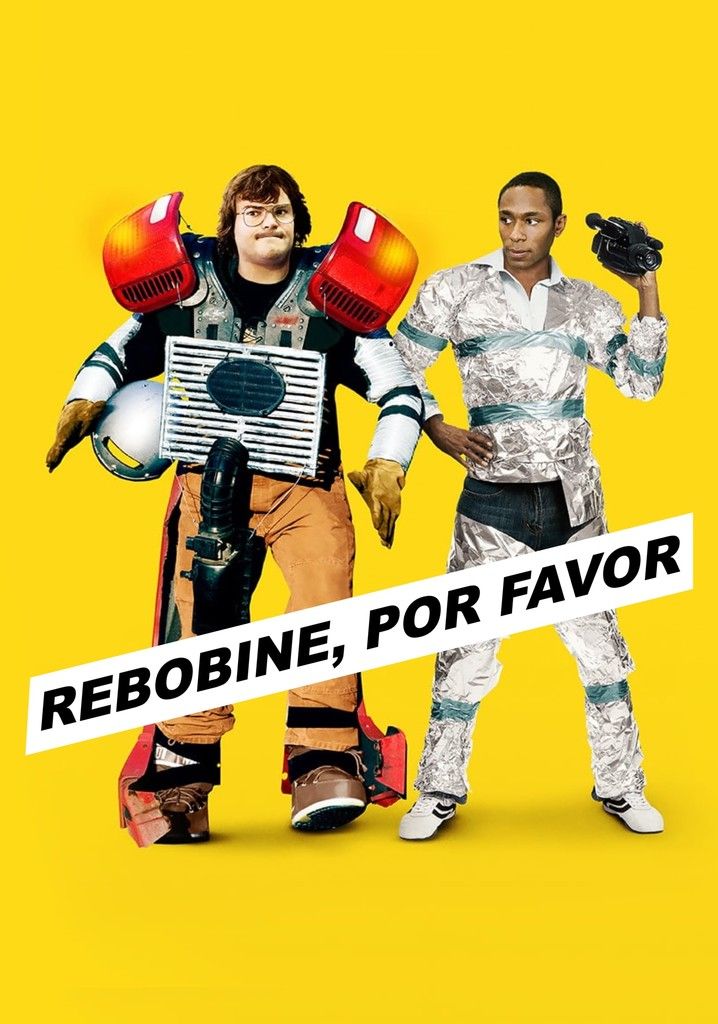
Be Kind, Rewind

Pensando numa história pessoal, e como conta-lá a uma outra pessoa, encontrei uma situação na qual queria dizer “fast forward” mas como não sabia, perguntei à gente boa do Reddit:

Se não me engano, “rebobinar” é a ação de quem acaba de ver um filme numa cassete de VCR não é? É tipo “voltar ao início do filme, transferindo a película para a outra bobina”, certo?

Mas qual é o oposto? Estou a ver o filme “Star Wars” mas quero ver a cena no qual Obi Wan Kenobi enfrenta Darth Vader agora, sem esperar uma hora e tal. Tenho de fazer o quê?

E mais uma coisa: estes termos ainda se usam em 2025? Se estou a ver o filme no Netflix, termos como “rebobinar” ainda fazem sentido na época* pós-película?

Segundo as respostas, basicamente a palavra “rebobinar” é pouco usada nos dias que correm pelas razões que a minha questão antecipou. É mais comum dizer “pôr para a frente” ou “pôr para trás” pode-se substituir “passar”** no lugar de “pôr”, e também existe “fazer forward” (buuuu! Anglicismo!) e “avançar no tempo”

*I am ashamed to say I wrote “idade”, as if the word “age” in “the post-tape age” were the same word as in “act your age”. Luckily I spotted it before it got marked.

I also heard pular – which is like “skip ahead”. Someone else suggested “meter” but Cristina was skeptical so I’d say probably avoid that one.

Posted in English

Special Delivery

I asked a question in reddit about the word “deliver”, specifically in the context of birth, and although the answer was pretty simple, it opened up a rabbit-hole that went pretty deep!

In English we use deliver to mean two different things, but you wouldn’t use the standard verb to deliver (“entregar”) for either of them. Firstly, deliver is what the mother does. Well that’s easy. We have a choice of verbs – parir, or the beautiful “dar à luz”. And secondly, we also use deliver to describe what the medical professional does, whether it be the doctor (médico of course) or the midwife (parteira). And this is the bit I realised I was stuck on: how do you say “the doctor delivered a baby.

A few people misunderstood the question and said it should be parir. O médico pariu? Um… No.

But the root of the problem of course is that there just isn’t a verb for it. It’s just a weirdness of English that we use the same verb for both. Instead, you’d have to use “assistir ao parto” or “realizar o parto”, relegating the doctor to more of an ancillary role, rather than letting him or her take all the glory from the mother by claiming to have “delivered” the baby. Well, that seems like a good thing to me.

And of course, just to complete the picture, Portuguese give a more active role to the baby. Babies don’t passively get born (ser nascido???) the verb is “nascer”, actively, as if it was something they did by themselves.

But there’s more! And I’ll tell you about it after this gif.

Come to think of it, theres a third use of “deliver” for babies isn’t there… Oh never mind!

Firstly, “assistir ao parto” seems to be a relatively rare use of the verb “assistir” in a way that’s more familiar to English-speakers, since the doctor is assisting/helping, rather than just spectating, which is usually what assistir means in Portuguese (see here if you don’t know what I’m on about)

Secondly, the word “prenha” came up, meaning pregnant. I’d seen the verb “emprenhar” (impregnate) recently and wondered how prenha/emprenhar differed from grávida/engravidar. Prenha and emprenhar tend to be used more with animals. So if you’re a stock breeder, emprenhar is the verb for a cow becoming prenha, but I think your wife would not thank you for using those same words to announce that she is expecting.

While researching prenha in Priberam, I spotted a couple more interesting differences.

Firstly, let’s talk about the gender of the adjectives. Grávida exists in a masculine form, grávido, which is actually the default form of the adjective, however stupid that might be. Prenha, on the other hand doesn’t have a masculine form, prenho, but there is a synonym, prenhe, which ends in e and, as such, it wouldn’t change even if, by some miracle, a bull could get knocked up.

Secondly, there’s a difference in how the verbs are used: Emprenhar is defined as “Tornar ou ficar prenhe” (here) In other words, it means “get pregnant”, and applies only to what happens to the female. Engravidar, on the other hand, can mean both “tornar-se grávida” (get pregnant) or “Fazer ficar grávida” (impregnate) so it can be applied to the dad role just as easily as the mum role (here) .

That’s an awful lot of useful stuff from just one little question, don’t you think?

Posted in Portuguese

Hm…

Essa intenção de escrever atualizações diárias foi por água abaixo, não é? Escrevi – ou pelo menos comecei – vários textos mas não acabei por publicar. Ora bem, não é o fim do mundo. Talvez apareçam em breve.