I’m having a meeting with the host of the Learning Portuguese is Fun podcast today because she’s putting together a series of episodes where learners at the B2/C1 level talk to each other and she explains some of their difficulties. I’m a little nervous but also excited.
Month: Aug 2023
“O Último Cais” de Helena Marques
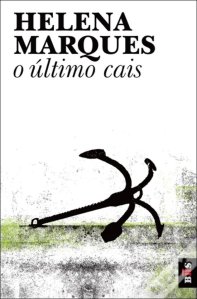
Começando este livro, custou-me a entender o primeiro capítulo porque havia tantas personagens em duas linhas de tempo distintas que perdi logo o fio à meada. Desenhei uma árvore genealógica de como as várias pessoas estavam ligadas, que tornou a compreensão mais fácil, e depois fiquei absorvido na história.
O enredo anda à volta de uma família madeirense, principalmente um casal que vive nos finais do século XIX. Há uma narradora que está a contar a história mas ela é quase invisível. Poucas vezes faz referência ao seu próprio ponto de vista, cem anos depois, quando herda uma escrivaninha e vários papéis da sua tia, que também é neta do casal.
Cada capítulo é dedicado a um familiar, principalmente os elementos femininos, e a sua perspetiva. Embora Marcos, o marido do casal, seja central ao enredo, não é o protagonista. A autora está mais interessada na experiência das filhas e irmãs e outras mulheres; na primeira página há uma citação de Herberto Hélder* “Começa o tempo onde a mulher começa”.
Seria muito fácil para um livro que tem lugar numa ilha ser insular ou paroquial, mas a autora deixa uma janela aberta para o mundo lá fora: Marcos participou na luta contra a escravatura em África após a sua abolição na Europa e nos Estados Unidos, e outros capítulos abordam o movimento pelos direitos das mulheres, conhecido por sufragismo, o crescimento do sentimento republicano e até o desenvolvimento de infraestrutura tecnológica na forma de um cabo telefónico sob o Atlântico. Assim situando o seu elenco num palco mundial, pintando numa tela grande (estou a misturar metáforas mas não me importa), a autora evita um sentido de claustrofobia.
Adorei o livro e estou muito contente que mo tenham recomendado antes das nossas férias na Madeira.
*i originally wrote this as “há uma citação na primeira página de Herberto Hélder” (there’s a quote on one first page from Herberto Hélder) but that is confusing because “a primeira página de Herberto Hélder” makes it sound like HH has pages, and he probably doesn’t.
“Manual de Instruções” de Nuno Markl e Miguel Jorge

Este livro é uma versão BD de um filme que não veio a ser realizado. A qualidade dos desenhos é básica e o diálogo é parecido com o estilo das sitcoms britânicos dos anos setenta: cru e sem sofisticação. Não sendo incrível, deu-me duas boas horas de sorriso sem rir em voz alta.
The Perminator
My daughter has been telling people her favourite portuguese music is “Eu Tenho Dois Amores” by Marco Paulo, and she’s even sung the opening line to me a couple of times, but nothing could prepare me for the real thing.
I see a lot of people in the comments are nostalgic for it, and I get that: music that reminds you of a time and a place is always special. And I have to admit, the lad has or a set of pipes on him. But, as someone hearing it for the first time in 2023, it’s pretty cringe. The hair style, the little dance, the fact that he is singing about his two girlfriends who are completely different because um… they have different hair colours… Well, that’s the eighties for you, I suppose!
“Ideias Concretas Sobre Vagas” de Ricardo Araújo Pereira
Ricardo Araújo Pereira é um dos humoristas mais confiáveis que já li: sempre que abro um livro dele, fico divertido e, às vezes, até aprendo algumas coisinhas. Nunca encontrei um livro dele aborrecido (mas nunca experimentei o que fala de futebol!)

Neste livro, o ganda Ricardo vira a sua atenção para a pandemia e os transtornos, as parvoíces e todas as mudanças daquela época na história do nosso mundo. Ler o livro é uma espécie de viagem no tempo: é quase possível adivinhar a semana na qual um capítulo foi escrito, analisando o que ele menciona: o confinamento, as medidas contra infeção, como lavagem de entregas, máscaras, o horrível vídeo de estrelas a cantar “Imagine” e por aí fora. E não desilude.
Tanto quanto sei, o título é um trocadilho baseado no duplo significado de “vagas”: como substantivo é um sinónimo de “ondas” e como adjetivo é a forma feminina e plural de “vago” que significa “impreciso”. Portanto pode significar “sobre as vagas do vírus” ou “sobre ideias vagas”.
“Choupos” de Adília Lopes
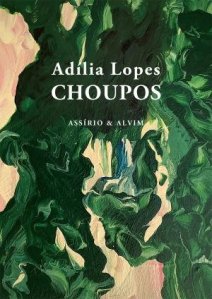
Ouvi falar desta autora e, logo no dia seguinte, um livro dela caiu no meu cesto no FNAC. Confesso que o achei um pouco aleatório. Poesia, aforismos, esboços verbais… para mim, há nisto uma certa falta de coerência, mesmo que tenha gostado de várias páginas.
Não sabia o que queria dizer o título. É uma espécie de árvore – a que nós chamamos de “Poplar”.
“E Agora” de Raquel Sem Interesse
Encontrei este livro enquanto estava à procura de uma outra BD. Li-o logo porque me apetecia mais do que a minha leitura principal (é boa mas… densa!)

O livro é divertido, mas não consigo dizer porque é que o apreciei tanto. Pouco acontece. Ela nasce, cresce, trabalha e no final atinge algum sucesso. Não há grande drama, e talvez tenha sido disto mesmo que gostei: muitos autores querem aumentar o drama das suas vidas, exagerando os seus sofrimentos e ganhando a simpatia do leitor. A Raquel fala, sim, de vários colegas mal dispostos e até (uma vez) de “abuso” mas estes transtornos aparecem como obstáculos a superar e ela nunca assume o papel de vítima. Enfim, isto é inspirador: é uma história quotidiana, mas a protagonista é trabalhadora e aberta às possibilidades da vida. Quando cai num buraco, começa de novo e melhora a situação, por mais difícil que seja.
Há elementos de sorte nisto tudo: ela é inteligente, com bons amigos, um namorado simpático e uma família apoiante, mas a vida dela não é um mar de rosas. Como toda a gente, ela joga as cartas que tem, e pessoalmente, gostei da sua maneira de lidar com os problemas.
Cinzas
So I was at the banana museum, admiring the many curved fruits, when I noticed a chart displaying “O Valor Nutritiva do Banana”, listing the amount of fat, sugar, fibre and so on. I neglected to get a picture of it, but you can see it at the very bottom of this page.

So um… What? Why would cinzas (ashes) be in a banana? I puzzled it out and decided it means “potassium”. OK, OK, hear me out. We were in a museum so it seemed at least possible that the tabke was very old. When potassium was first discovered it wasnt really understood but it was known to be alkaline and to be present in ashes. In fact the name “potassium” comes from “potash”, a compound derived from wood ashes. So maybe at some point along the timeline people knew that this unidentified stuff was in a banana but they hadn’t got around to giving it a name yet.
Apparently, I was overthinking it. Cinzas, when it appears in a nutritional chart, jusy refers to the literal ashes or unburned inorganic residue left over when the food has been dried and the fats etc burned off. They can be analysed to figure out what minerals are in there but for some reason, that hadn’t been done by whoever made this table so they have just aggregated the potassium, sodium, calcium, magnesium, etc into one item: cinzas.
IT IS PERFECTLY SAFE TO GET MARRIED IN PORTUGAL!!!
Now, if I know my audience, and I think I do, you all read yesterday’s post, 1 Day of Summer, and immediately circled 31 July next year as the day for your nuptials. Even those of you who are not yet in a long term relationship have signed up for Tinder in the hope of getting a bride/groom lined up in the next 11 months and 28 days. You impetuous fools!
But wait, is it actually safe to get married in Portugal? A meme has resurfaced recently on the Twitter*, purporting to show that fully 94% of Portuguese marriages end in divorce. The sort of people who believe everything they read on the Internet have been lamenting this sad state of affairs as they awaited the Pope’s visit. But it’s bollocks of course. The BBC’s More or Less programme did a short piece about the factoid and tried to get to the bottom of it.
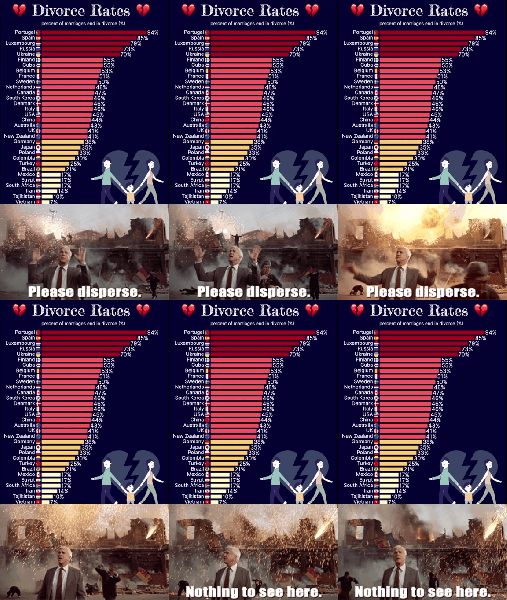
The basic gist is that the account that published it couldn’t back up the numbers. The closest available figure the BBC could find was 91% but that was comparing divorces and marriages in the same year and that year was… Ahem… 2020 when all the churches were closed and nobody was getting married. The real rate is pretty low: lower than the EU average.
So, don’t worry, you can still get married in the 31st of July 2024 in the Douro Valley with Quim Barreiros officiating, but don’t forget to invite me.
*Or “X” as we are now meant to call it… It works well for portuguese learners since the letter is pronounced “sheesh!” and that’s exactly what I say whenever I see the bloody thing.
1 Day of Summer
I had one of those moments on social media where I see something I don’t really understand and I have to go off and unravel the mystery and learn something along the way. It started with this Instagram post from Cinema São Jorge:

I guessed the origin, although I haven’t seen it for years. It’s from the pinnacle of the Manic Pixie Dream Girl movie era, 500 Days of Summer:

And I guess they’re excited because it was July the 31st, the day Quim Barreiros, accordionist and master of Música Pimba has decreed to be the best day to get married. Why? Because “depois entra agosto” (then comes August). It’s explained in this Sapo article but they’re not explaining it quite well enough for a non-native, so let me unravel the pun in all its corny glory.
“A gosto” is used in recipes in the way “to taste” is used in English recipes. Season to taste =Temperar a gosto, or you could just have “(a gosto)” in place of a specific quantity after the name of the ingredient (see this absolutely disgusting recipe, for example), meaning as much or as little as you like. So when he says “depois entra a gosto”, he’s just saying after you get married you can enter (nudge, nudge, wink, wink) whenever you please.
 Luso
Luso 